PBKS vs RCB at HPCA Stadium on 17 May 2026: Revisiting a Must-Win Afternoon in Dharamsala
On 17 May 2026, Times of India published a full match preview for Punjab Kings against Royal Challengers Bengaluru at Himachal Pradesh Cricket Association Stadium in Dharamsala. The afternoon fixture was scheduled for a 3:30 PM IST start after a 3:00 PM IST toss, and the briefing already treated the home side's season as a race against the clock. This retrospective returns to that preview — the form pressure, the predicted XIs, the altitude pitch notes and the broadcast plan — as it stood before a ball was bowled.
Retrospective · Original source date 17 May 2026, 07:57 IST · IPL Big Win editorial desk
Punjab Kings walked into the Dharamsala afternoon after five consecutive defeats. The early part of IPL 2026 had looked far more secure: six wins to open the season, a final appearance the previous year, and a rebuild under head coach Ricky Ponting after the mega auction. By mid-May that cushion was gone. Playoff hopes were under threat, and the preview framed every remaining fixture as a must-win assignment rather than a routine home date.
Royal Challengers Bengaluru arrived with a different temperature. Early losses had been absorbed more cleanly, and Virat Kohli was listed among the performers keeping the side among the top teams. The head-to-head ledger was almost even — 37 previous meetings, 18 wins for Punjab Kings and 19 for RCB — so history offered little shelter to either dressing room. What the preview did supply was a concrete operational picture: who was expected to play, how the mountain pitch was expected to behave, and when the coin toss would open the day.
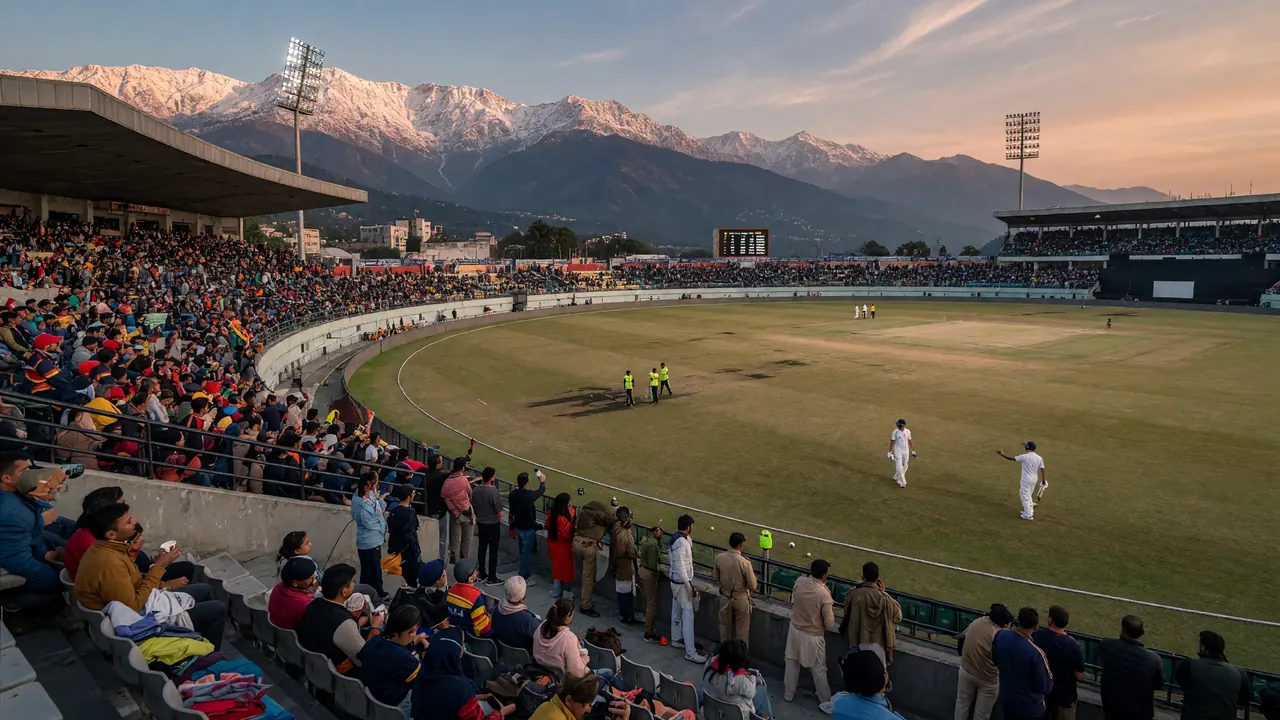
Five straight losses after a six-win start
The sharpest detail in the 17 May briefing was not the mountain scenery. It was the shape of Punjab Kings' season. Six wins at the beginning had created a table cushion that five consecutive defeats had since erased. The most recent of those setbacks, still fresh in the preview, was a failed defence of a 200-run total against Mumbai Indians at the same Dharamsala ground. Posting 200 and still losing is the kind of result that forces a dressing room to re-examine death bowling, middle-overs control and the difference between a competitive total and a safe one.
Captain Shreyas Iyer did not dress the moment up. He described the Mumbai defeat as a tough pill to swallow, then redirected attention to the remaining matches and the need to treat each of them as essential. That tone mattered for fantasy desks as much as for supporters. When a captain publicly accepts the severity of a collapse, team selection tends to tighten rather than experiment. Impact substitutions, bowling changes and batting order flexibility all become more deliberate because the margin for another soft result has already been spent.
Ponting's appointment after the mega auction rebuild sat in the background of that pressure. The previous season's final run had raised expectations; the auction reset had been sold as a chance to keep competing at that level. By 17 May the public story had shifted from rebuild optimism to survival arithmetic. The RCB fixture was not framed as a derby for its own sake. It was framed as one of the remaining afternoons that could still keep Punjab Kings inside the playoff conversation.
RCB's path into the same fixture looked steadier. The preview noted a cleaner recovery from early defeats and placed Kohli among the reasons the side remained near the top of the table. That contrast — one team chasing oxygen, the other managing a top-half position — is exactly the kind of imbalance that can decide how aggressively each captain uses the powerplay and how early the bowling bench is emptied. Looking back, the form split is still the cleanest way to read the afternoon before the toss.
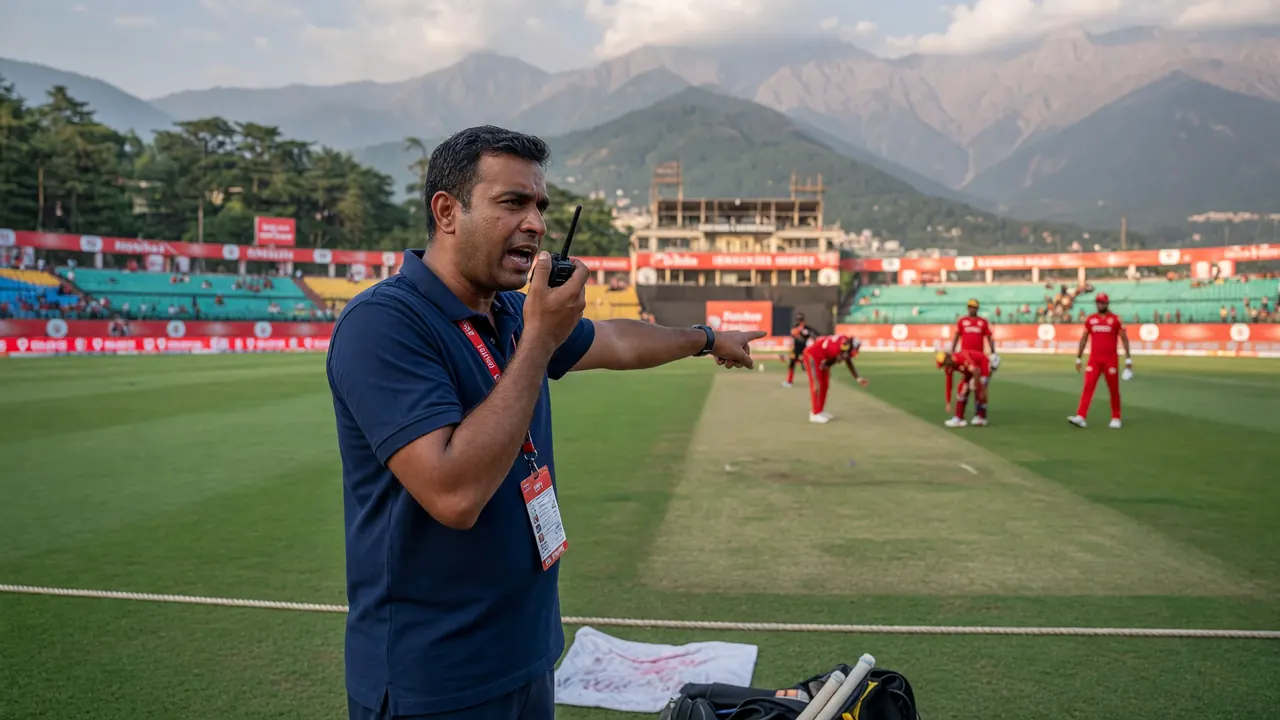
An almost even rivalry on a high-altitude batting surface
Across 37 previous meetings, Punjab Kings held 18 wins and RCB held 19. That one-match gap is too thin to dictate a captaincy call on its own, but it is useful as a reminder that neither side owned a durable psychological edge. In a must-win week for Punjab Kings, the even ledger cut both ways: RCB could not lean on a long streak of dominance, and the home side could not claim a historical home remedy against this opponent.
The venue notes were more decisive than the rivalry math. HPCA Stadium sits at roughly 1,457 metres. The preview described a batting-friendly surface with bounce and carry for pacers, and it explicitly connected the thinner mountain air to ball travel. That combination usually rewards clean striking and full-length pace more than slow, gripping spin. For fantasy construction on the day, the practical translation was simple: top-order batters and hit-the-deck seamers carried a higher baseline than they would on a slow lowland deck.
Weather planning on the morning of 17 May pointed the same way. The afternoon was forecast to stay mostly clear and sunny. The Shimla Meteorological Centre expected conditions to remain clear, with no serious rain-washout threat even though a regional yellow alert for dust storms was active nearby. For an afternoon start, that forecast mattered twice: it reduced the chance of a shortened game, and it kept the toss decision focused on pitch behaviour rather than weather management.
Broadcast logistics were equally settled. Television coverage was listed on Star Sports Network, with streaming on JioHotstar. Toss at 3:00 PM IST and first ball at 3:30 PM IST meant the afternoon window was short and hard-edged — no long evening dew cycle to rewrite bowling plans after the break. Looking back from later in the season, that schedule still marks the fixture as a pure daylight mountain game rather than a dew-heavy night chase puzzle.
The XIs Times of India expected before the toss
The predicted Punjab Kings XI read: Priyansh Arya, Prabhsimran Singh, Cooper Connolly, Shreyas Iyer (captain), Suryansh Shedge, Shashank Singh, Azmatullah Omarzai, Marco Jansen, Harpreet Brar, Lockie Ferguson and Arshdeep Singh, with Yuzvendra Chahal named as the impact player. The shape is top-order aggression, a deep middle order, and a pace-heavy attack supported by Brar's spin and Chahal's impact option. On a ground described as batting-friendly with carry for pacers, that balance matched the venue brief more closely than a spin-first card would have.
The predicted RCB XI read: Jacob Bethell, Virat Kohli, Devdutt Padikkal, Rajat Patidar (captain), Tim David, Jitesh Sharma, Venkatesh Iyer, Krunal Pandya, Bhuvneshwar Kumar, Rasikh Salam Dar and Jacob Duffy, with Josh Hazlewood as the impact player. Patidar's captaincy, Kohli's presence through the top order and a finishing layer of David and Sharma gave RCB a familiar T20 spine. The bowling mix of Bhuvneshwar, Duffy, Rasikh and the Hazlewood impact card again leaned into pace and new-ball control — the same qualities the pitch report had elevated.
Several names in those sheets still repay a second look. For Punjab Kings, Arshdeep and Ferguson formed a left-right pace pair at opposite ends of the order, while Jansen and Omarzai offered all-round overs if the middle phase needed a change of angle. Chahal as impact spinner kept a late-game wicket-taking option available without forcing a specialist spinner into the starting eleven on a surface expected to favour carry. For RCB, Krunal Pandya and Venkatesh Iyer thickened the all-round layer, and Hazlewood in the impact slot preserved a high-quality seam burst if the match state demanded it.
Predicted XIs are not confirmed team sheets. The 17 May preview presented them as the expected balance before final medical and matchup checks. Used carefully, they still map the roles fantasy desks were pricing that morning: openers with strike licence, captains batting in the engine room, and pace attacks built for bounce rather than for a turning track. That role map is the durable part of the document, even when one or two names later moved around the margins.
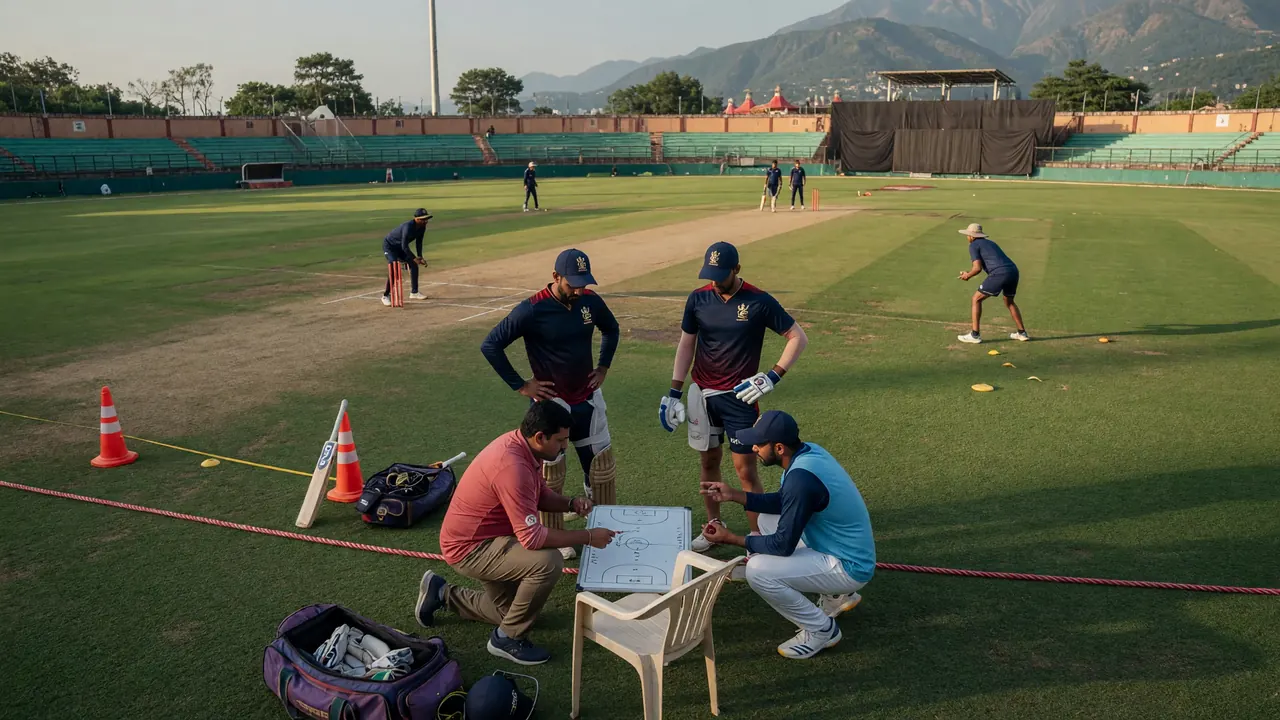
How the 17 May brief still reads for fantasy construction
A retrospective is most useful when it separates confirmed briefing facts from later storytelling. The confirmed facts on 17 May were pressure on Punjab Kings after five straight losses, a failed 200 defence against Mumbai Indians in the previous home outing, an almost even head-to-head, a batting-friendly high-altitude pitch, a clear weather window, and two pace-leaning predicted XIs. Those facts still support a clean construction logic: batters and seamers first, spin as a specialist or impact choice, and little reason to invent dew theories for a 3:30 PM start.
Captaincy pricing on that brief would have started with the batters most likely to face the new ball on a travel-friendly surface. Kohli and the Punjab openers sat in that band. The counter-case was the bowling upside created by a side under scoreboard stress — Arshdeep, Ferguson, Jansen or Bhuvneshwar becoming more valuable if one batting group cracked early. The preview did not publish ownership percentages or final fantasy scores; it only supplied the conditions under which those choices made sense.
The failed defence of 200 against Mumbai Indians also left a tactical warning. Totals that look safe on paper can still fail if death overs leak or if the middle overs lose their grip. Fantasy sides that overloaded pure batters without a second bowling route were exposed to exactly that pattern. Looking back, the more balanced sheets — top-order batting plus at least two seamers with wicket appeal — matched both the venue description and the home side's most recent painful lesson.
For readers who archive IPL afternoons rather than chase only the next toss, the Dharamsala brief is a compact case study in how form pressure, altitude and predicted roles intersect. Our wider IPL reporting archive keeps those match-week reads together so older fixtures can still inform how later mountain games and must-win home dates are priced. The value is not nostalgia. It is pattern recognition with dates attached.
Why the 17 May Dharamsala notes still repay a reread
Several details from the Times of India preview remain useful beyond that single afternoon. First, the altitude figure and the batting-friendly label give a stable baseline for HPCA Stadium whenever IPL returns to Dharamsala. Second, the even 18-19 head-to-head record cautions against overreading rivalry narratives when recent form is lopsided. Third, Iyer's public response to the Mumbai collapse shows how captains under a five-match losing streak talk when the remaining schedule has no soft fixtures left.
The predicted XIs also preserve a snapshot of squad balance after the mega auction rebuild. Punjab Kings' blend of local top-order options, overseas pace and a Chahal impact card sits next to RCB's Bethell-Kohli-Padikkal top, Patidar's captaincy and a Hazlewood impact seam burst. Whether every name took the field is a separate match-day question. As a document of intended roles on the morning of 17 May, the sheets still explain how both franchises wanted to attack a high, clear afternoon.
Weather and broadcast notes close the file cleanly. Clear skies, no serious washout threat, Star Sports on television and JioHotstar on stream meant the fixture was planned as a full, uninterrupted afternoon contest. For later comparison work — especially against night games at sea-level venues — that schedule remains the cleanest way to separate mountain daylight cricket from dew-affected chases.
A must-win home afternoon, frozen in the 17 May preview
The durable story from 17 May 2026 is not a invented match result. It is the briefing itself: Punjab Kings under threat after five straight defeats and a failed 200 defence against Mumbai Indians; RCB steadier and still among the top sides; an almost even head-to-head; a batting-friendly HPCA surface at about 1,457 metres; clear weather; toss at 3:00 PM IST; start at 3:30 PM IST; and two pace-leaning predicted XIs with Chahal and Hazlewood as impact options. Those are the facts the morning preview locked in.
Read that way, the Dharamsala afternoon remains a reference point for later must-win home games at altitude. When a side that opened with six wins falls into a five-match slide, the next home date stops being atmospheric and becomes arithmetic. The 17 May notes captured that shift with unusual clarity — and that is why the preview still earns a place in the season archive.