Captain picks for IPL mega contests
How to pick C and VC for mega contests when 50,000 teams enter the prize pool.
What the captain pick actually does
In every fantasy cricket platform, the captain scores 2× points and the vice-captain scores 1.5× points. The captain pick is therefore the single highest-use decision in any contest: one player gets a multiplier that nobody else does. The right captain separates a rank-50,000 finish from a rank-50 finish. The wrong captain caps a strong XI at rank 30,000.

Why ownership matters more than you think
If your captain is owned by 35% of the field and scores a strong but not magical 90 fantasy points, the field jumps around you but few overtake you. If your captain is owned by 8% of the field and scores 90, you jump tens of thousands of ranks in a single match. Ownership data is published on every major platform within minutes of contest lock.

Captain pose in match-winning moment
Role-first captain framework
Pick the captain by role first. Aggressive top-order opener on a flat deck gets one captain profile. Death-overs finisher gets another. Middle-overs anchor gets a third. Spin-bowling all-rounder on a turning track gets a fourth. Each role has a distinct scoring shape and a distinct downside profile. Below are the four roles and their scoring signatures.
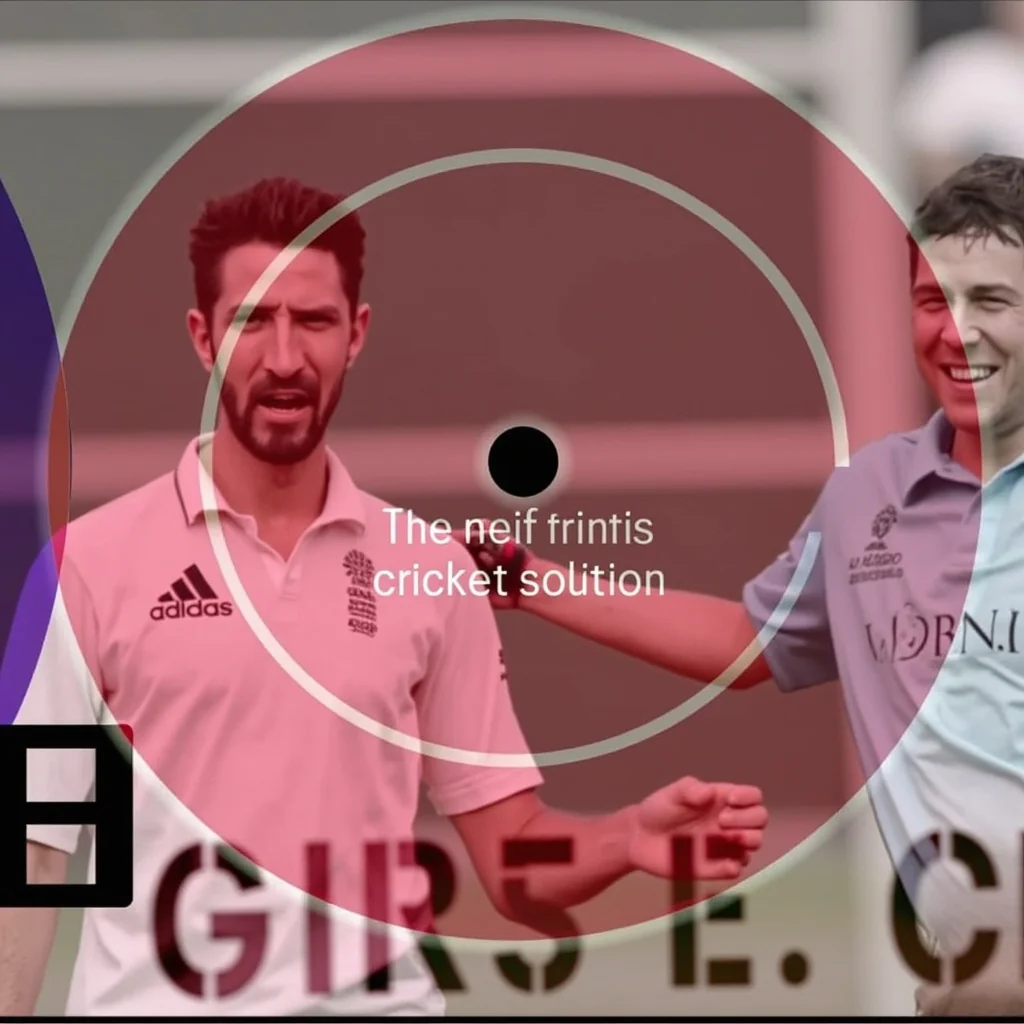
Differential hero captain with low ownership
Powerplay aggressor
The powerplay aggressor captain scores through boundary frequency and dot-ball avoidance. The upside is a 100-130 fantasy point ceiling when they cross 50 in the first six overs. The downside is that on a slow pitch, they can walk back for 8 with 60 strike-rate — the captain pick burns. Captain the powerplay aggressor only when the pitch report reads flat (≥170 average at this venue) and the dew factor does not flip the script.
Vice-captain for safety and 1.5x boost
Middle-overs anchor
The middle-overs anchor captain scores through dot-ball avoidance and selective boundary hitting. The upside is steady 60-90 fantasy points even when the wickets fall around them. The downside is a low ceiling — captains at the anchor role cannot blow past 110 unless they uncharacteristically accelerate. The math works for head-to-head contests; do not anchor-captain a grand league unless you want rank 50,000-100,000.
Death-overs finisher
The death-overs finisher captain is the high-ceiling play. The upside is 130-180 fantasy points when the death overs go their way. The downside is 25-50 fantasy points on a slow track where they cannot find boundary gaps. Captain the finisher on flat or batting-friendly tracks; never captain them when the dew is heavy and the second innings is chasing — the dew shifts the math towards the bowlers.
Spin all-rounder captain
The spin all-rounder captain is the lowest-ownership play that wins mega contests. On a turning track, an in-form spin all-rounder can hit 50 runs and take 2 wickets for 130-150 fantasy points. On a flat track, the same player scores 60-80. Captain them when the opposition is right-handed heavy, the venue offers spin (Chepauk, Lucknow, Mumbai), and you expect dew to be limited.
How pitch and toss combine
Pitch and toss decide who captains whom. Bat first on a 180+ track: captain powerplay or death overs. Bat first on a 150 track: captain anchor or spin all-rounder. Chase 180+: captain the death-overs finisher, the wickets in hand are a ceiling play. Chase 150: captain the anchor, the chase collapses to the anchor.
Recent form versus reputation
Recent form beats reputation in three of four matches. The exception is a player returning from injury — their reputation beats a small sample of post-injury form until they play 4-5 innings clean. Track last-8-innings form for every captain candidate. If the trend line is up, the form read is bullish. If the trend line is flat over 6+ innings, the form read is neutral — captain only on positional advantages.
Opposition matchup
The opposition matchup is the third lever. Some batsmen feast on certain bowling styles (left-arm pace, off-spin). Some bowlers dominate certain batsman bodies. The captain pick should be aware of the matchup: an opener who averages 50 against left-arm pace is a strong captain on a date with two left-arm-pace bowlers in the opposition XI.
Ownership-aware captain picks
The big-win framework is to pick a captain with ownership under 12%, role-confirmed, recent-form positive, and a matchup advantage. That is the edge that wins contests. We publish weekly candidate lists across all four roles during the IPL season. Below is the at-a-glance list.
What a bad captain pick costs
Pick an anchor captain in a T20 match on a flat track. They score 60. You finish rank 40,000. Pick a death-overs finisher on a 150-track, they score 30. You finish rank 50,000. Pick a powerplay aggressor on a turning track, they score 12. You finish rank 60,000. The captain pick caps every other decision. It is the single biggest use in your XI.
How to track your captain performance
Keep a captain diary: captain name, role, ownership %, pitch read, result. After 10 contests, sort by your ROI. The role you over-captained is the role to dial back; the role you under-captained is the role to dial up. We publish a captain diary template below for the printable version.
Editorial review of last season's captain calls
In IPL 2025, the highest-use captain calls were on in-form death-overs finishers picked at sub-12% ownership. The lowest-use calls were on high-reputation anchors on turning tracks. The same pattern is playing out in early IPL 2026. Use the framework; do not chase reputation.
How much does the captain pick matter?
Captain is 2× and vice-captain is 1.5×. A captain pick that hits well can leapfrog 30,000-60,000 ranks. The captain pick is the single highest-use decision in any fantasy XI.
Should I captain the most expensive player?
Not necessarily. Salary cap is a constraint, not a captain selector. An expensive anchor who scores 60 ranks below a mid-salary death-overs finisher who scores 110.
How do I find ownership data?
Every platform publishes ownership data within minutes of contest lock. The leaderboard-side count shows how many teams picked each player.
What is a differential captain?
A captain candidate with sub-12% team ownership. Strong role + strong form + strong matchup = differential captain pick that wins the contest because the field cannot easily beat you.