Lahore Qalandars Meet San Francisco Unicorns in GSL 2026 Match 9, With Playoff Spots on the Line
The Lahore Qalandars and the San Francisco Unicorns walk into Providence Stadium in Guyana on Wednesday, July 29, knowing the result does more than move a league table. Match 9 of the Global Super League 2026, scheduled for a 4 PM start in Providence, is the Qalandars' final group fixture and the last realistic chance for the Unicorns to stay alive. Below covers both squads, the form of Usama Mir and Hammad Azam at the top of the tournament's wicket-taking and run-scoring charts, and what the Providence numbers actually say about the toss and the chase.
Published 29 July 2026 by the IPL Big Win editorial desk.
Lahore Qalandars arrived in the Caribbean with two PSL-quality wins on the board and one heavy defeat to absorb. San Francisco Unicorns arrived with one win over the Perth Scorchers XI, two losses, and a bowling unit that has not yet clicked. Both groups are chasing the same mathematical finish line — a top-half finish in the group — and the gap between them is now a single match. That is the frame the fantasy desk has to read through before picking a captain on Wednesday.
The fixture carries an extra layer because it is the first meeting between the two sides. There is no head-to-head sample to lean on. Everything from team sheet to pitch report to weather has to do the work that history usually does. The good news is that Providence has produced enough matches in this tournament — seven, with the average first-innings score sitting at 168 — for a reasonably steady read on what the surface rewards.
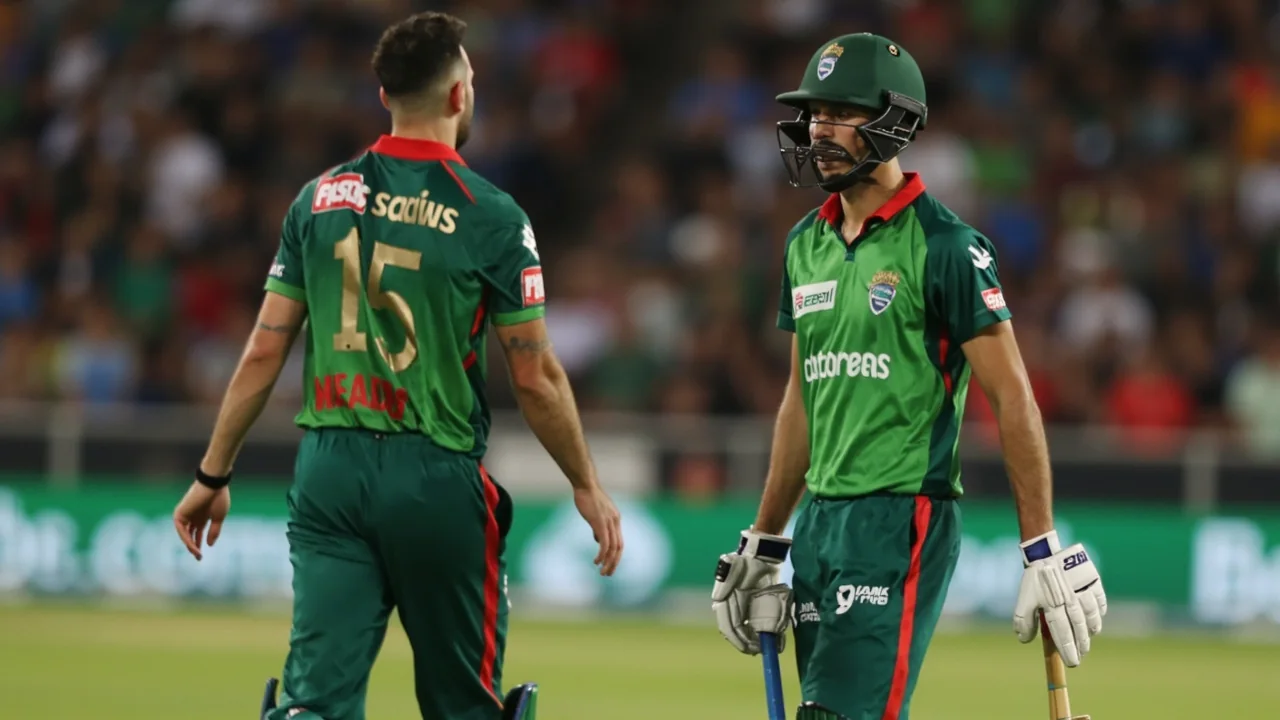
Two wins from three for the Qalandars, one from three for the Unicorns
Lahore Qalandars opened the tournament with two straight wins — the kind of run that, in a short league like the GSL, is usually enough to settle qualification math before the final round. Then came the third match against the Guyana Amazon Warriors, and the form dipped hard. Chasing 164, the Qalandars were bowled out for 111 and lost by 53 runs. Both openers finished in single digits. Farhan Yousaf's 28 was the top score in the innings, which tells you how rough the chase was.
The bowling through that stretch was the steadier side of the team. Mohammad Imran Randhawa took a wicket in the most recent match; Michael Bracewell and Mehran Mumtaz each took two; Bracewell did it economically, Mumtaz did it expensively. Shahab Khan and Usama Mir are the additional options that lengthen the bowling rotation. None of that changes the shape of the batting question — both openers have to start again, and the middle order has to absorb a five-over powerplay before the bowling card gets to work.
San Francisco Unicorns sit on the other side of the table. They beat the Perth Scorchers XI in one of their three matches and lost to the Guyana Amazon Warriors in another. The batting has shown flashes — Tim Robinson's 46 off 35 and Connor Esterhuizen's 37 off 29 in the most recent match are competitive numbers on a Providence surface — but the middle order has been a step behind. Hassan Khan, Oliver Peake and Fabian Allen are the three names the side needs to push the run rate past the 7.5 mark in the middle overs.
The Unicorns' bowling is the bigger worry. In their last fixture, only Anirudh Immanuel managed to take a wicket. Hassan Khan, Ghulam Mudassar, Gideon Peters and Fabian Allen are all credible names on paper, but the unit has not produced a coherent spell together yet. Against a Qalandars side that has been inconsistent with the bat, that is the kind of gap that becomes a chaseable total — which is also exactly what fantasy captains want when they pick a differential.
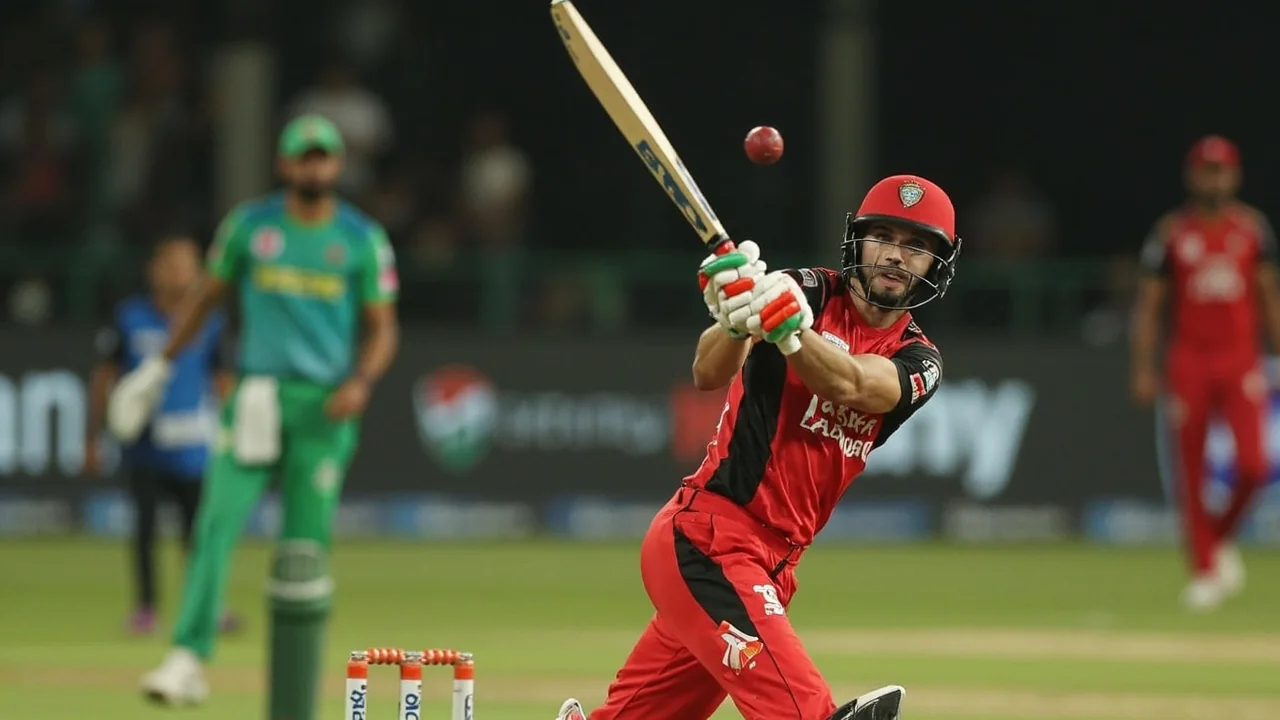
Usama Mir at the top of the wicket chart, Hammad Azam at the top of the run chart
Usama Mir is the tournament's leading wicket-taker through three matches — seven wickets at an economy of 6.75. That is the kind of number that, in a four-over allotment, doubles the captaincy case for a bowler on a Providence surface that has helped both batters and bowlers across seven matches. Mir produced his best return against the Desert Vipers, taking four wickets in a 38-run win, which tells you his spell ceiling is well above the median for this tournament.
For fantasy captaincy desks, the read is straightforward. Mir is the kind of pick that does not need a matchup swing to pay off — seven wickets in three innings is a trend, not a sample. The only thing to weigh is the role he plays within the four overs Lahore uses him. If he is held back for the middle phase against the Unicorns' left-hand middle order, his wicket ceiling drops. If he gets the powerplay, his ceiling rises and the differential value against the field's expected captain picks climbs with it.
Hammad Azam, the Unicorns captain in this fixture, leads the run chart with 146 runs at a batting average of 140.38 — a figure that reflects how often he has finished an innings unbeaten. He has played two consecutive unbeaten knocks in the 60s: 61 against the Guyana Amazon Warriors and 64 against the Perth Scorchers XI. That is the pattern fantasy picks have to internalise before locking in a captaincy decision. Azam is not a power-hitting accumulator; he is a middle-overs anchor who converts a steady start into a match-winning knock.
The interesting read is the captain-versus-captain dynamic. Azam carries the Unicorns' batting on his shoulders the way Mir carries the Qalandars' bowling. If the Qalandars win the toss and bowl first, the captaincy contest becomes Mir against Azam across the powerplay and middle overs. If the Unicorns bat first, the question is whether Azam can keep his average north of 100 against a bowling attack that already knows where to attack him — that is the fantasy decision tree for Wednesday afternoon.
What Providence has produced, and what the weather is doing
Providence Stadium in Guyana has hosted seven tournament matches. The average first-innings score across those seven games is 168. That is a number fantasy desks can use directly — it gives a baseline for what a competitive first-innings total looks like on this surface, and it gives the chase side a target frame. The split between batting-first wins and chasing wins is 4-3 in favour of the side batting first. The margin is thin, but the trend points one way, and that is the basis for the most likely toss call on Wednesday.
The article's source is explicit: the team winning the coin toss is likely to bat first. That is a useful read for two reasons. First, it tells fantasy captaincy desks to weight the batting side's premier ball-striker slightly higher than they would on a neutral-venue day — the team batting first has the higher historical win rate, which lifts the captaincy ceiling of a top-order batter. Second, it tells differential hunters that the chasing team's death-overs hitter or finish-bowler is the safer counter-pick, because the chase is a slightly tougher assignment.
The conditions report is straightforward: warm in Guyana, with temperatures around 29°C through the match window. There is no dew-flagged or rain-flagged concern in the match preview. That keeps the toss decision clean — no reason to chase for the dew factor, no reason to bowl first for swing — which makes the win-rate split (4-3 in favour of batting first) the most reliable guide to what the captains will choose to do at the toss.
Providence has shown a tendency to play slightly slow in the second half of the innings — a pattern common to West Indian surfaces that begin with good carry and lose a bit of pace as the ball gets older. That is a softer effect than a classical slow turner, but it does mean the middle-overs accumulator is more valuable than the early-overs aggressor in the chase. For fantasy, that lifts the profile of Hammad Azam and the middle-order anchors in both line-ups.
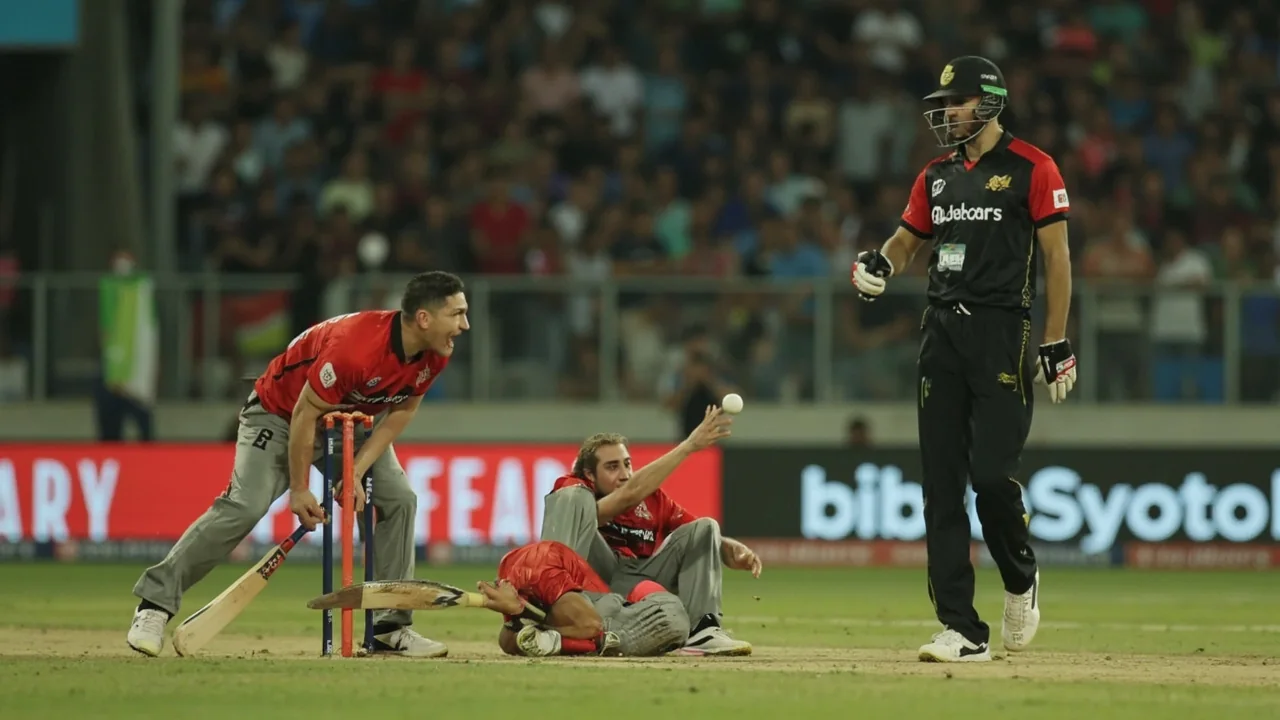
Probable XIs and what each side can change on the morning of the match
Lahore Qalandars probable XI: Mohammad Naeem, Shamyl Hussain, Parvez Hossain Emon (WK), Farhan Yousaf, Delano Potgieter, Michael Bracewell (C), Mohammad Imran Randhawa, Usama Mir, Mehran Mumtaz, Shahab Khan, Ali Shabbir. The batting has five right-handers and one left-hander (Potgieter) in the top six, with Bracewell slotting in at six as the captain and the spinning all-round option. The bowling depth comes from Mir, Mumtaz, Shahab Khan and Ali Shabbir, with Bracewell and Potgieter offering four overs of spin between them if needed.
San Francisco Unicorns probable XI: Tim Robinson, Connor Esterhuizen (WK), Sanjay Krishnamurthi, Oliver Peake, Hassan Khan (C), Hammad Azam, Fabian Allen, Anirudh Immanuel, Callum Stow, Ghulam Mudassar, Gideon Peters. The batting is left-right through the top four — Robinson, Esterhuizen, Krishnamurthi and Peake — which is the right shape for a Providence surface that has rewarded versatility in the powerplay. Azam at six is the anchor role. The bowling rotation runs through Hassan Khan, Ghulam Mudassar, Gideon Peters and Fabian Allen, with Immanuel and Stow as the change-up options.
The two probable XIs do not overlap anywhere except the global T20 circuit, which is one of the cleaner indicators that neither side has a direct read on the other's matchups. For fantasy, that means the captaincy calls have to be made on form and venue numbers, not on head-to-head pattern. That is a less common decision frame in league cricket and is part of why this fixture generates a wider captaincy distribution than the average league game.
How to build a Dream 11 side around Usama Mir and Hammad Azam
The safe captaincy pick on the source's facts is Usama Mir. Seven wickets in three matches is the strongest single signal in the fixture. A bowler with that kind of form, on a Providence surface that has rewarded both batters and bowlers in roughly equal measure, is the captain who protects a fantasy side from a flat night at the office. The risk is the role within the four overs — if Mir is held back for the middle phase, his wicket ceiling drops. If he is used in the powerplay, the captaincy case becomes overwhelming.
The aggressive captaincy pick is Hammad Azam. Two consecutive unbeaten 60s against two of the tournament's stronger attacks is the pattern of a batter who is reading the middle-overs matchups cleanly. A 140-plus batting average is not a number that survives in T20 cricket without conscious game management. If Azam plays another anchor innings on Wednesday, the 2× captain multiplier turns a 50 into a 100 on the fantasy scorecard. The risk is the Unicorns' overall batting depth — if the top order collapses early, Azam's ceiling drops even if his personal contribution stays steady.
The differential captaincy pick, the one that wins grand-league contests, sits in the Lahore batting order. Farhan Yousaf's 28 against the Amazon Warriors was the top score in a 111-run collapse, which tells you he can hold an innings together when the rest of the order is moving around him. Delano Potgieter and Michael Bracewell are the all-round options that deliver batting points plus bowling points in the same fixture. None of those three will be heavily owned if the public captaincy distribution follows the wicket-taker and the run-scorner — which is exactly the gap a grand-league side needs.
Our weekly captain picks and differential watch coverage has been tracking exactly these matchup-driven captaincy decisions through the season, including the way form curves collide with venue averages. The Qalandars-Unicorns fixture is a useful one to add to the rotation this week, because the form data is clean, the venue data is meaningful, and the captaincy distribution is likely to be wider than usual. That is the kind of fixture where the thinking wins the leaderboard, not the bracket.
Three things to watch between the toss and the team sheet
First, watch which captain wins the toss and what they choose. A bat-first call from either side lifts the top-order captaincy ceiling across the board. A bowl-first call — perhaps driven by a specific matchup preference that the source preview does not mention — would tilt the fantasy scoring toward the bowling side and push the differential captaincy options into the Lahore pace attack. The toss call is the single biggest decision in the fixture from a fantasy perspective, and it happens first.
Second, watch the Lahore opening partnership. Mohammad Naeem and Shamyl Hussain both finished with single-digit scores in the 53-run defeat to the Amazon Warriors. A repeat performance collapses the batting depth and forces Bracewell, Potgieter and the middle order to absorb more risk than they should. If the openers put on a partnership of 25 or more, the Qalandars' total is likely to sit closer to the 168 Providence average, which is the figure both sides have been averaging in this tournament.
Third, watch the way the Unicorns structure their chase or their defence around Hammad Azam. If Azam comes in at four or five, the middle-overs architecture of the innings changes; if he stays at six as the listed XI suggests, the top four have to do the powerplay work and Azam inherits the anchor role in the back half. That is the kind of read that reshapes a fantasy captaincy call mid-match and explains why differential captains who pick Azam at six are taking a calculated risk rather than a popular one.
What this fixture actually decides for fantasy captaincy
Match 9 at Providence on July 29 is a playoff-shaping fixture for both groups, and the source preview backs a Lahore Qalandars win on the strength of two wins from three matches, a settled bowling unit led by the tournament's leading wicket-taker, and a more reliable top-order template. None of that should be read as certainty. The Unicorns have the tournament's leading run-scorer, a Providence surface that has split its wins almost evenly, and a bowling attack that, if it clicks for the first time in the tournament, has the ceiling to defend a modest total.
For fantasy desks, the read that follows from those facts is clear. The safe captain is Usama Mir, the aggressive captain is Hammad Azam, and the grand-league captain lives somewhere in the Lahore middle order or the Unicorns' pace attack. The most useful thing to do between now and the toss is to lock in the team sheet, watch the captaincy call, and pick the multiplier around that decision rather than against it. The numbers above give the form baseline; the toss gives the venue multiplier; the rest is matchup.