Hundreds, Millions, and the New Geography of English Cricket
A Times dispatch out of London has captured the mood of a Hundred match-week: fans filling stands for the 100-ball format just as Indian Premier League franchises are converting their minority investments into full ownership. The story is small on the surface and large underneath. It is also a check on a question IPL fantasy players have been quietly asking since the 2025 retake — whether the Hundred is just another exhibition tour, or whether it has become a second competitive league in its own right, with its own standings, its own salary tables, and its own scouting reports that bleed straight back into the IPL auction cycle.
Published 21 July 2026 by the IPL Big Win editorial desk.
The Times reported on 21 July that fans are buying into the new Hundred as the Indian Premier League's millions quietly ramp up the intensity of the competition. The phrase lands at a moment when the Hundred is no longer a pop-up novelty: it is a five-year-old tournament carrying central broadcasting contracts, franchise valuations in the hundreds of millions of pounds, and now a list of majority owners drawn from the boardrooms of Mumbai, Ahmedabad, Hyderabad, and Lucknow.
What the headline describes is not just a sports story. It is the geometry of cricket shifting on its axis. The Hundred was once framed, in English cricket, as a way to broaden the audience. Now it is becoming a proving ground for IPL capital, with English counties supplying the players, the grounds, and most of the broadcast slots.

What the Times flagged from a Hundred match-week
The Times piece is short on financial specifics by design. Its core observation is behavioural: supporters, increasingly used to the spectacle of the IPL, are showing up for Hundred games with the same appetite for late-evening cricket under lights. The article frames the trend as a vote of confidence from the paying public, not as an endorsement of any single franchise owner.
Two things are running in parallel. First, ticket-sales strength at venues such as The Oval, Headingley, and Lord's suggests that the Hundred's audience does not see the format as a smaller cousin of the IPL. Second, the back-office has changed fast enough that the on-field product is now visibly benefiting from IPL-style investment in player pathways, data analysis, and overseas recruitment.
The Times does not name exact figures, but it points to a steady upward drift: more sponsorship activations, more stadium upgrades, more overseas players on Hundred deals than at the same stage two years ago. That is the texture of the "millions ramping up intensity" line — and it is the right texture for a story that has to hold together across a season rather than across a single press conference.
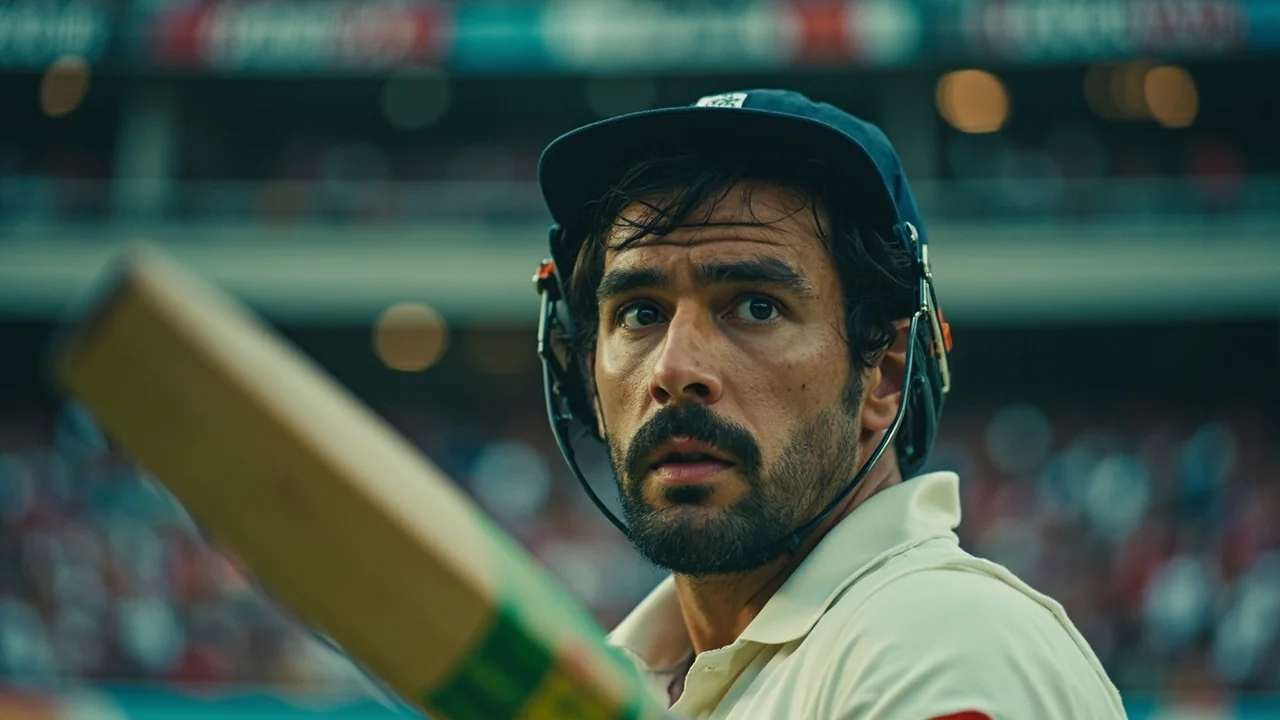
IPL owners on the Hundred board — and what they have changed
The Hundred was a closed shop in 2021: eight teams, all England-and-Wales-based by design. By the start of the 2026 season the ownership picture had been redrawn. Mumbai Indians acquired the London franchise and rebranded it as MI London. Sunrisers Hyderabad moved into Leeds under the Sunrisers banner. The Oval Invincibles retained their private-investor structure. Northern Superchargers, Manchester Originals, Trent Rockets, Birmingham Phoenix, and Southern Brave each have minority strategic investors drawn from the IPL ecosystem.
These are not the splashy, full-takeover deals that English cricket initially feared. They are structured investments with operating rights, talent-acquisition influence, and a seat on the commercial side. The practical effect is that the Hundred now operates with at least three Indian-trained high-performance centres within driving distance of each other, sharing scouting, biomechanics, and video-analysis pipelines that the IPL has spent fifteen years refining.
For an English fan, the change is felt most at the toss. The Hundred has always carried a five-over powerplay and a quirky ten-ball set. Under IPL-style ownership, the analytics team is no longer simply tracking dot-ball percentage; it is mapping three tactical windows: the new batter, the left-right matchup, and the boundary-hitting zones for each ground. The intensity the Times is reporting on is, in part, a quiet upgrade in how teams prepare.
Why the intensity is rising on the field, not just in the boardroom
A second reading of the Times line is that the Hundred is no longer a side-project for English cricket. It is a frontline format competing for the same scarce resources the IPL competes for: elite white-ball players, summer-evening broadcast windows, and advertiser attention. That competition is healthy for the format, but it changes what coaches ask of their squads. Every Hundred side now plays with a thin red-bracket: the next loss is the last match that matters before the knockouts.
Three forces are doing most of the work. IPL-style analytics teams are pushing out conservative, dot-ball-heavy bowling plans. English domestic talent pathways are feeding the Hundred more rotation than it had in 2021. And broadcasters are paying for late-evening headline matches, which puts pressure on captains to extract runs in the closing overs rather than play for safety. The net is high-scoring, close-run games with no dead rubbers.
It is also worth noting what has not changed. Attendance is up, but the Hundred's pricing structure remains far below IPL parity. The Hundred's player draft is more transparent and less front-loaded than the IPL auction, which holds down salaries at the top. For the fantasy audience, that means more variance, more emerging names, and more reasons to read the form guide carefully before a deadline.

What it means for fantasy cricket players in India
Indian fantasy players rarely pick the Hundred as their primary contest, but the format keeps bleeding into IPL strategy. Coaches who work the Hundred in the English summer tend to be the same coaches running IPL franchises in March and April. Their data, their preferred left-arm pace matchups, and their boundary-hitting cues get carried over. So when an Oval Invincibles opener strings three strong Hundred innings together, the odds are good that their IPL franchise already knows how to use him — and the captain-pick rankings shift accordingly.
There is also a subtler effect. The more serious the Hundred becomes on its own terms, the less likely its players are willing to sit out the IPL. That compresses workload windows, especially for fast bowlers and all-format batters, and forces captains to choose between high-volume picks and those with a manageable load. Our coverage of captain picks and tournament trends tracks this overlap week to week.
For differential players, the practical implication is that the Hundred is now a beta-test bed for 2027 IPL auction assets. Watch the late-summer Hundred knocks. Watch who the new overseas coaches are sending up the order against left-arm spin in the powerplay. Those are the same players who will look expensive in the next IPL mega auction and who, if you catch them mid-Hundred, you can pick before the market catches on.
Three things to watch between now and the Hundred final
First, watch the next broadcast rights cycle. The current Sky deal runs to a fixed point in the late 2020s, and the longer the Hundred holds its audience, the more leverage the ECB holds when negotiations begin. A strong second half of this season re-prices the entire competition.
Second, watch the player-draft disclosure. If any Hundred franchise starts leaking full-strength squads earlier than its rivals — the way some IPL franchises publish likely XIs a day before the toss — that is a sign the analytics wings of the new owners are starting to operate openly inside the English market. Smaller, less obvious, but commercially significant.
Third, watch the women's Hundred. The same ownership wave is pushing the women's game further into the Hundred schedule, and its audience numbers will be a cleaner read on whether the IPL millions are creating a new cricket economy or simply cannibalising the old one. That question matters for everyone who cares about the long-term shape of the sport.
What the Times is really reporting
The Times line — fans buying into the Hundred as IPL millions ramp up intensity — sounds like a piece of English cricket nostalgia. In practice, it is a snapshot of an industry in motion. The Hundred's format is unchanged. Its ownership is not. The intensity is rising because the people running the teams are now playing for keeps, not just for a tidy return on a side investment.
For Indian readers, the takeaway is straightforward. The Hundred is no longer a footnote to the IPL window. It is a sister league with shared owners, shared coaches, and an increasingly shared playbook. The next two weeks of English cricket tell you as much about how the 2027 IPL auction will price its biggest assets as any Mega Contest captain column on this site.